Touring an assisted living or memory care home in Cypress, TX and northwest Houston can feel completely overwhelming, especially when the options range from large institutional campuses to small personal care homes. Many families walk out of their first tour not sure what they just evaluated. This guide covers everything worth looking at and asking, so you leave every tour with real information rather than just a feeling.
Not sure yet whether you’re touring for assisted living or memory care? Our guide to memory care vs. assisted living in Cypress sorts out which one your parent actually needs.
TL;DR
- Tour at least 2–3 communities before deciding; comparative experience makes everything clearer
- Staffing questions (ratios, turnover, and consistency) are the most important questions to ask, and the ones families most often skip
- A morning tour and a late-afternoon visit to the same community can look very different
- Staff who don’t acknowledge residents in passing is one of the most telling red flags you can observe
- Transparency about pricing and what’s included is a meaningful trust signal
- Your gut reaction when you walk in, and again when you walk out, matters. Don’t push it aside.
Table of Contents
ToggleBefore Your Tour
If you haven’t yet raised the idea with your parent, our guide on how to talk to your parent about assisted living can help before you visit. Plan to tour at least 2–3 communities. Even if you fall in love with the first one, comparative experience is invaluable. You’ll know what questions to ask, and you’ll have a real basis for comparison.
Schedule tours at different times of day. A morning tour might look very different from a late-afternoon visit. Morning is often when staff are freshest and activities are active; late afternoon shows you how the community handles the harder part of the day.
Arrive a few minutes early and wait in the lobby. Unscripted moments, e.g. the way staff interact with residents as they pass, the general atmosphere when no one’s “on”, tell you a lot.
Bring this guide and take notes. Your memory of three tours will blur together. Write things down.
Bring a trusted second set of eyes if possible. Two people notice different things.
What to Notice the Moment You Walk In
Before anyone greets you, scan the environment.
First impressions of the space: Does it smell clean? (A strong odor is a red flag.) Is it warm and home-like, or institutional and sterile? Is it well-lit and inviting? Are there signs of disrepair or clutter? Is the temperature comfortable?
First impressions of the residents: Are residents visible and active, or are they all in their rooms? Do they look engaged? Are they dressed and groomed? Do they make eye contact or seem connected to their surroundings?
First impressions of the staff: Do staff acknowledge residents warmly as they pass, by name? Is there laughter or warmth in the interactions you observe? Does staff seem hurried and overwhelmed, or present and calm?
You are gathering data. Don’t push these observations aside because you want to like the place.
The Physical Environment
Safety
- Are hallways wide enough for walkers and wheelchairs?
- Are bathrooms equipped with grab bars, non-slip flooring, and accessible shower options?
- Are outdoor areas easily accessible and safe, with seating and shade?
- Is the community secure?
- What is the emergency response protocol? Are call buttons available in every room and bathroom?
Resident Rooms
- Are rooms private or shared? What is currently available?
- Can residents bring their own furniture and personal items?
- Does the room have natural light and a window (it has to, according to TX licensing standards)?
- Is there adequate closet and storage space?
- What is included in the room?
- How are rooms personalized and made to feel like home?
Common Areas
- Are there comfortable, inviting spaces for residents to gather?
- Is there an outdoor area, like a garden, courtyard, or patio?
- Is there a variety of spaces (quiet sitting area, social lounge, activity room)?
- Are common areas clean and well-maintained?
Dining
- Can you observe a meal, or at minimum see the dining room?
- Is dining social and unhurried, or rushed and institutional?
- Who prepares the meal? Is there a dedicated chef or do caregivers cook (which takes away time from caring for residents)?
- Is the menu varied and appealing, real food, prepared on-site?
- Can residents eat at flexible times, or are there rigid meal schedules?
- How are dietary restrictions, allergies, or preferences accommodated?
- Can family members join for meals?
Staffing: The Most Important Factor
This is where most families don’t ask enough questions, and where the biggest differences between communities live. The quality of care your parent receives is almost entirely determined by the people who show up to work every day.
“What is your staff-to-resident ratio, and how does that change at night and on weekends?”
A good answer is a specific number, with transparency about variation across shifts. In a boutique home, ratios should be meaningfully better than a large community, often 1:5 or 1:6 (and maybe 1:8 to 1:10 at night) rather than 1:10 to 1:20 or higher…
“What training do your caregivers receive, and how often?”
Look for specific training programs and ongoing certification requirements, and ask how often training actually happens.
“What is your staff turnover rate?”
This question catches people off guard, but it is one of the most revealing you can ask. High turnover means residents rarely build relationships with consistent caregivers, which directly affects quality of care. A boutique home that values its staff should have lower turnover and will talk about this with pride.
“How do you handle staffing when someone calls in sick?”
Look for a clear backup plan, not vague reassurances. Do they have a reliable bench of on-call staff? How often does short-staffing actually happen?
“Will my parent have the same caregivers regularly, or will it vary?”
Consistency matters enormously for seniors, especially those with cognitive changes. Knowing the same faces, having caregivers who know their preferences and routines directly affects emotional wellbeing.
“Can I meet the person who would be my parent’s primary caregiver?”
A confident, resident-centered home will say yes.
Care Quality and Approach
“How do you develop and update each resident’s care plan?”
Look for an individualized assessment on admission, followed by regular reviews (monthly or quarterly) with family involvement. Not a generic template.
“How do you communicate with family members?”
Look for regular scheduled communication, plus a commitment to call immediately if anything significant changes. You should never be left wondering.
“How do you handle residents who are having a hard day?”
This answer will tell you a lot about the community’s philosophy of care. Look for person-centered approaches, understanding what’s underneath the behavior, redirecting thoughtfully, not relying primarily on medication as a first response.
“What happens if my parent’s needs increase over time? Do they have to leave? How might cost change along with that?”
A trustworthy home won’t promise to keep your parent forever regardless of circumstances, but they will be clear and honest about their capabilities, cost for different levels of care and what would require a transition.
Touring a Memory Care Home: What’s Different
If your parent has dementia or Alzheimer’s, everything above still applies. But a few things are worth looking at that a general assisted living tour won’t cover, and most tour checklists skip them entirely.
Watch how staff respond to confusion, not just how they describe it.
This is the most useful thing you can observe, and you won’t get it from a brochure. On almost any tour you’ll see a resident ask the same question twice, or look for someone who isn’t there. Watch what happens next. Do caregivers answer warmly, as if it were the first time? Do they step into the person’s reality instead of correcting them? Or do you catch a sigh, a “we just talked about this,” a redirect that feels more like managing than caring?
Ask about freedom of movement, not just security.
A secured home should still feel like a home. Look for a secured garden or courtyard your parent can walk into whenever they like, not a locked door they stand at. Ask: “Can residents go outside on their own? What does someone do here when they want to walk?” Somewhere safe to wander is a very different answer than nowhere to wander.
Ask what happens overnight.
Nights are when dementia often gets harder (confusion, restlessness, and getting up to wander are all common after dark). Ask two things: “Is someone awake and attending all night, or on call?” and “What’s the ratio overnight?” In Texas, a licensed Type B home is staffed for awake overnight attendance, which is worth understanding before you tour anywhere.
Visit late in the day, on purpose.
Late afternoon and early evening are usually the hardest hours for someone with dementia (this is often called “sundowning”). A home that feels calm at 10am can feel very different at 5pm. If you only get one visit, use it then.
Ask what happens as dementia progresses.
“At what point would my parent no longer be able to stay here?” Ask it plainly. An honest home will give you a specific answer about what they can and can’t handle, rather than a reassurance. Moving a loved one with dementia twice is hard on everyone, and it’s worth knowing now.
A few smaller things worth noticing:
- Is the environment calm, or is there a TV on loudly in an empty room?
- Can residents find their own rooms (photos, memory boxes, clear visual cues)?
- Are meals served in a way that works for someone who struggles with utensils?
- Do caregivers know residents’ histories well enough to actually talk with them about their lives?
Activities and Social Life
Social engagement is not a luxury, it is medically significant. Loneliness and isolation are associated with sharply higher rates of cognitive decline, depression, and mortality. The activities program matters.
- “Can I see the current activity calendar?”
- “How do you assess what a new resident enjoys and build programming around that?”
- “Are activities varied — physical, creative, intellectual, social?”
- “What happens on evenings and weekends? Do activities continue, or does everything stop?”
- “Is there programming that involves the wider community, e.g. volunteers, visiting musicians, intergenerational activities?”
Watch for an activity calendar that looks good on paper but shows only passive activities (movies, bingo). Also watch for an activity director who speaks about residents by name and knows what each person loves, that’s a meaningful signal.
The Culture and Feel
Some things can’t be quantified on a checklist, but they are the most important things. Trust your gut after you’ve gathered the facts.
- Do staff seem like they genuinely enjoy their work and like the people they work with?
- Is there warmth and humor in the environment?
- Are residents visible and present in shared spaces, not hiding in their rooms?
- Does the administrator speak about residents as individuals: by name, with knowledge of their personalities?
- Do you feel welcome to ask hard questions, or does the tour feel like a sales pitch?
- What does it feel like 10 minutes before you leave?
Financial Questions to Ask
Never leave a tour without understanding exactly what you’re paying for.
- “What is the base monthly rate, and what exactly is included?”
- “What services are add-ons, and what does each one cost?”
- “How have rates increased over the past 3 years, and what should we expect going forward?”
- “What triggers a rate increase for my parent specifically? If their care needs change, how does pricing change?”
- “What is the contract structure, month-to-month or long-term? What is the notice period for either party?”
- “Do you accept long-term care insurance? How do you process claims?”
- “What is your refund policy if we need to leave within the first 30 days?”
Transparency here is a trust signal. A quality community will walk you through this clearly and without defensiveness. To learn more about the typical cost and pricing structures, read our complete guide to cost of assisted living and memory care in Cypress, TX.
Red Flags to Take Seriously
- Staff who don’t greet or acknowledge residents in passing
- A tour guide who can’t answer basic questions about staffing ratios
- Reluctance to let you see certain areas or speak with current residents’ families
- Residents who appear ungroomed, unstimulated, or unhappy
- A dismissive response to your concerns or questions
- High staff turnover they’re not willing to discuss
- A persistent odor that suggests poor hygiene standards
- Vague or evasive answers about what’s included in the monthly rate
- Pressure to make a decision quickly
Any one of these doesn’t necessarily disqualify a home — but a pattern of them, or one strong example, should give you serious pause.
After the Tour: How to Compare
Within 24 hours, write down:
- What you felt when you walked in
- What you felt when you walked out
- The two or three things that stood out most (positive or negative)
- Any unanswered questions you want to follow up on
Then compare across all your tours. Your gut and your notes together will point you in the right direction.
Touring Kuno Haus in Cypress, TX
We welcome every question on this list.
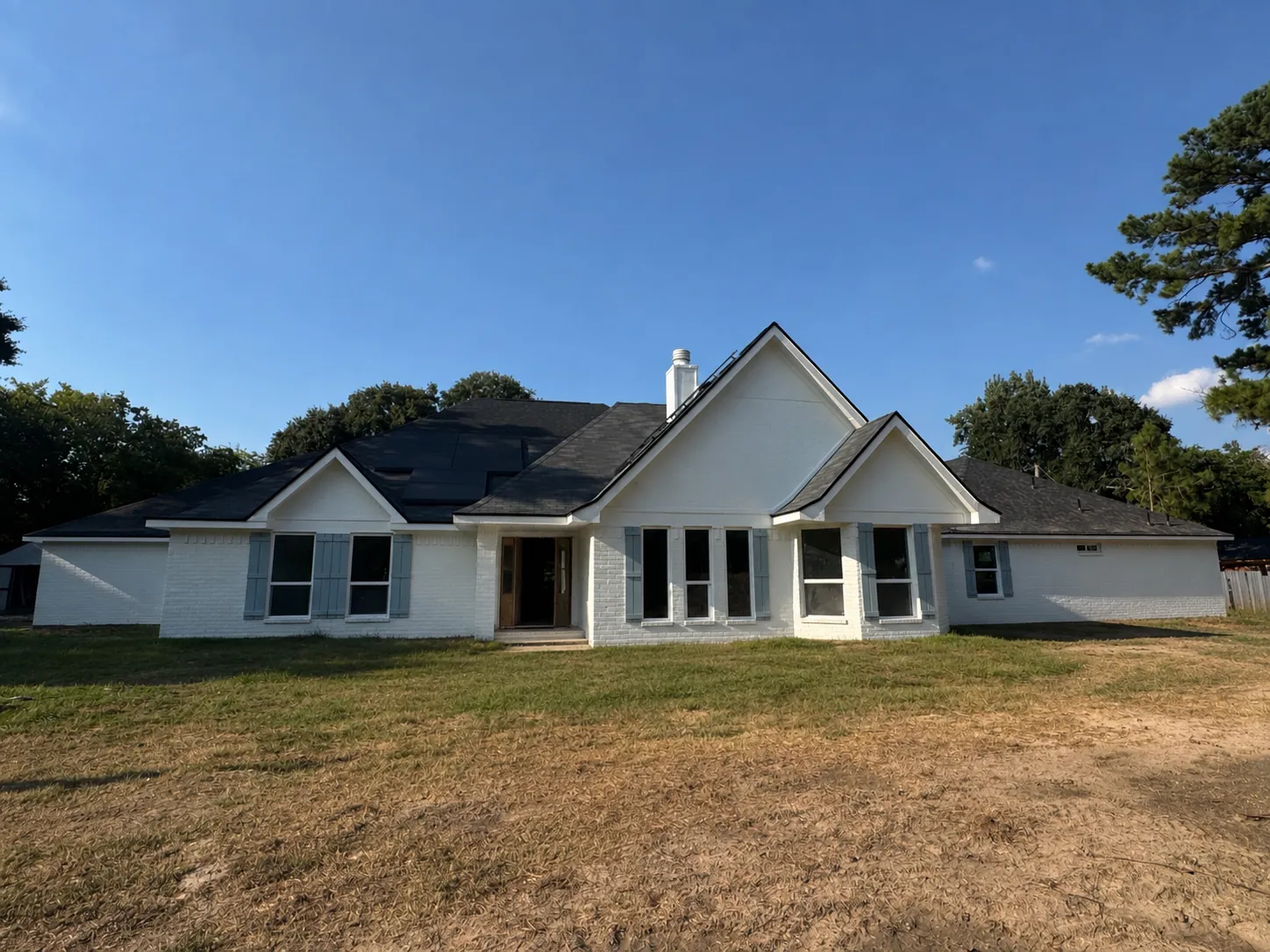
Kuno Haus is a boutique residential assisted living and memory care home serving up to 16 residents in a private residential setting in Cypress, TX. When you tour (we’d love to walk you through our building during these final construction stages), you’ll meet the team, see how meals are prepared, walk through every common area and room type at your own pace, and get clear answers on staffing ratios, care philosophy, and pricing. We serve families across northwest Houston, including Cy-Fair, Bridgeland, Towne Lake, Cypress Creek, and beyond.
We’ll tell you honestly if we think we’re the right fit. If you want to talk through what you saw at other communities, we’re happy to have that conversation too. Our goal is that your parent ends up in the right place.
Frequently Asked Questions
What is the single most important thing to look for on an assisted living tour?
Staffing. The quality of care your parent receives will be determined almost entirely by the people who show up to work every day. Ask for the daytime and nighttime staff-to-resident ratio, ask about turnover, and ask whether your parent would see consistent caregivers. A home that answers these questions with confidence and specificity (rather than vagueness) is a very positive signal.
What are the biggest red flags on an assisted living tour?
The most telling: staff who walk past residents without acknowledging them; vague or evasive answers about staffing ratios or turnover; reluctance to let you see certain areas; residents who appear ungroomed or disengaged; and any pressure to make a decision quickly. One red flag may not disqualify a home. A pattern of them should.
How many homes should I tour before making a decision?
At minimum, two or three. The first tour is almost always an orientation to the process and you won’t know what to ask or what to compare until you’ve seen at least one other option. If you’re comparing large communities to small residential homes, seeing one of each type helps you understand the differences concretely rather than in the abstract.
How do I compare assisted living homes after touring several of them?
Within 24 hours of each tour, write down: what you felt when you walked in, what you felt when you walked out, the two or three things that stood out most, and any unanswered questions. Then compare across your notes. Homes that stood out on both gut feeling and on your evaluation criteria are worth pursuing further.
Does the time of day I tour matter?
Yes, it can. Morning tours often show a home at its best, when staff are fresh and activities are active. Late afternoon (around 4–5pm) tends to be harder in any care environment. If possible, visiting the same home at two different times gives you a more accurate picture of what day-to-day life actually looks like. Never hesitate to ask for a second tour, especially once you may be close to a decision and have your short list of one to two communities.
What should I look for when touring a memory care home?
Everything on a general assisted living tour still applies, plus a few things specific to dementia. Watch how caregivers respond when a resident is confused or repeats a question (warmth, not correction, is what you want to see). Ask whether residents can go outside on their own into a secured garden. Ask whether someone is awake and attending all night, and what the overnight ratio is. And ask directly at what point your parent would no longer be able to stay.
Kuno Haus is a boutique residential assisted living and memory care home at 16204 Charolais Drive, Cypress, TX 77429. We serve families across northwest Houston, Cy-Fair, Bridgeland, Towne Lake, Cypress Creek, and the greater Harris County area. For questions about availability or to schedule a tour, contact us here.